Serengeti National Park
Overview
This globally-renowned game reserve overs a staggering area of 14,750 km2, forming one of the largest protected ecosystems on the African continent. Its size is comparable to the US state of Connecticut.
It links with the wider Serengeti ecosystem that extends into Kenya and supports long distance wildlife migration that define the region. Serengeti holds a central place in African conservation due to its intact predator populations, strong lion density, and the sheer number of grazing animals that move through its plains all year long. Grasslands, acacia zones, and river systems create conditions that sustain wildlife through dry and wet periods, making Serengeti a core destination for ecological research and safari tours.
Wildlife and Biodiversity
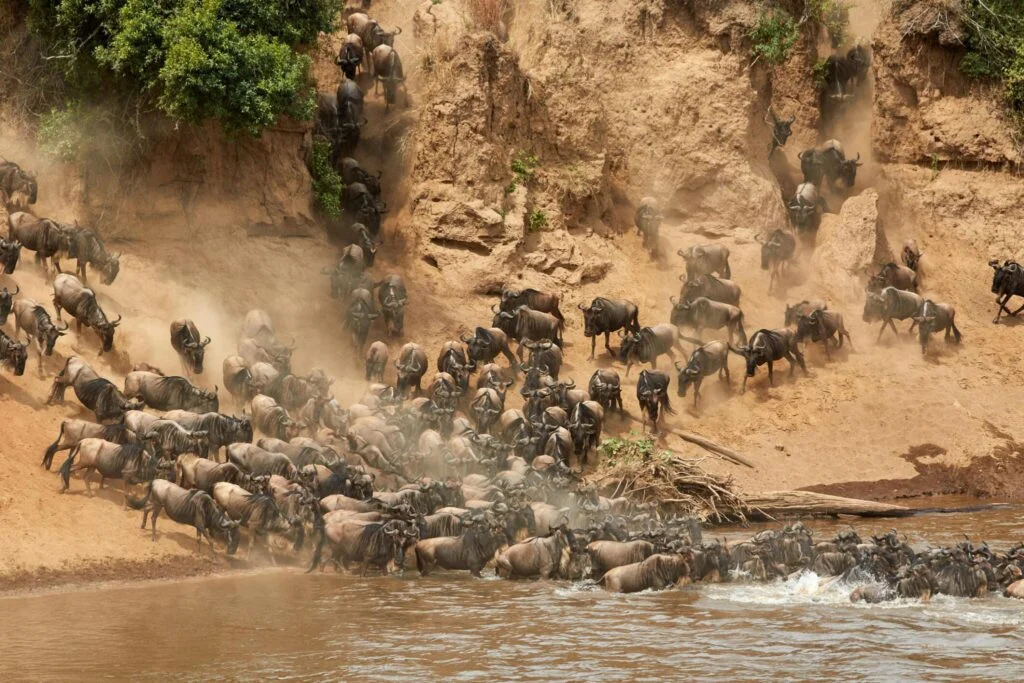
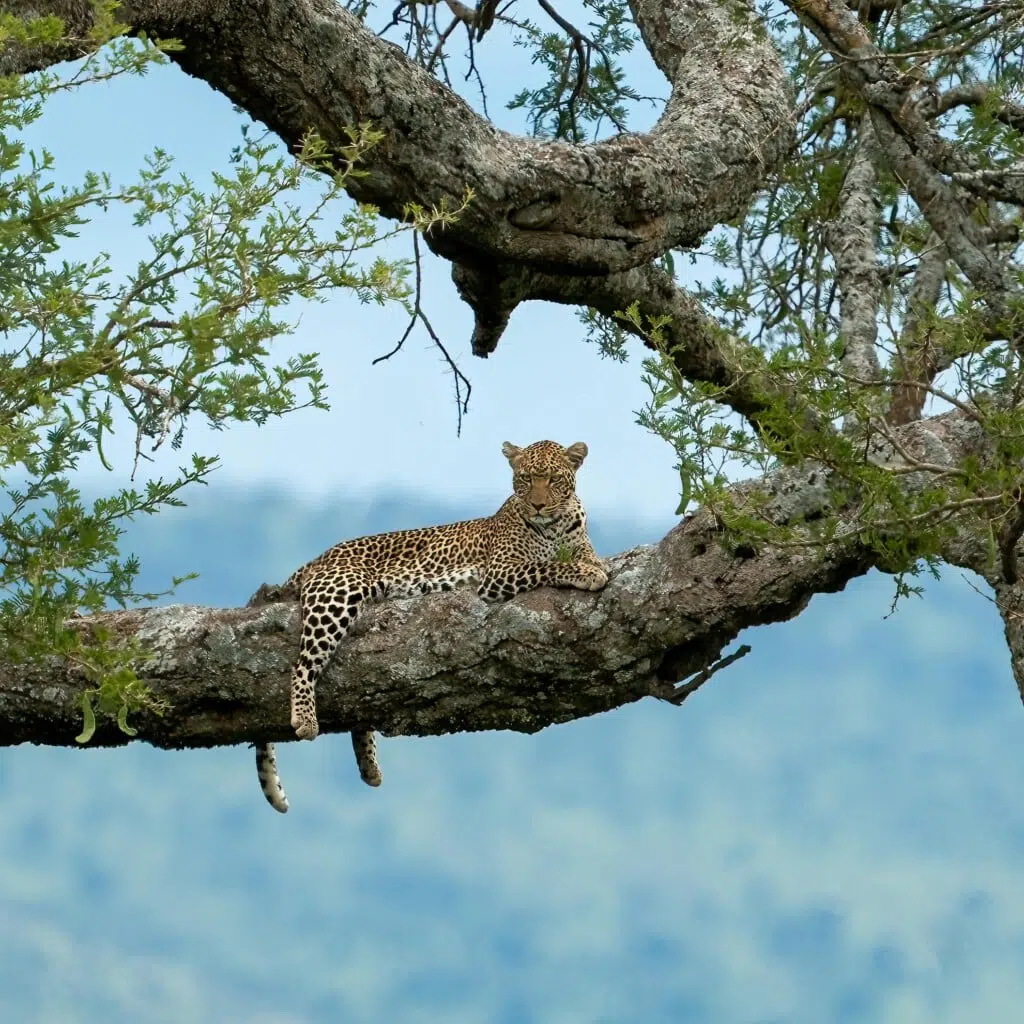
The Serengeti eco-system supports one of the highest concentrations of large mammals on the planet. The Great Migration remains its defining character, with an estimated 1.5 million wildebeest, more than 200,000 zebra, and several hundred thousand. Thomson’s gazelles traveling between grazing areas in response to shifting rainfall. This flow influences predator behavior and create reliable game viewing of the region’s big cats; lion, cheetah and leopard.
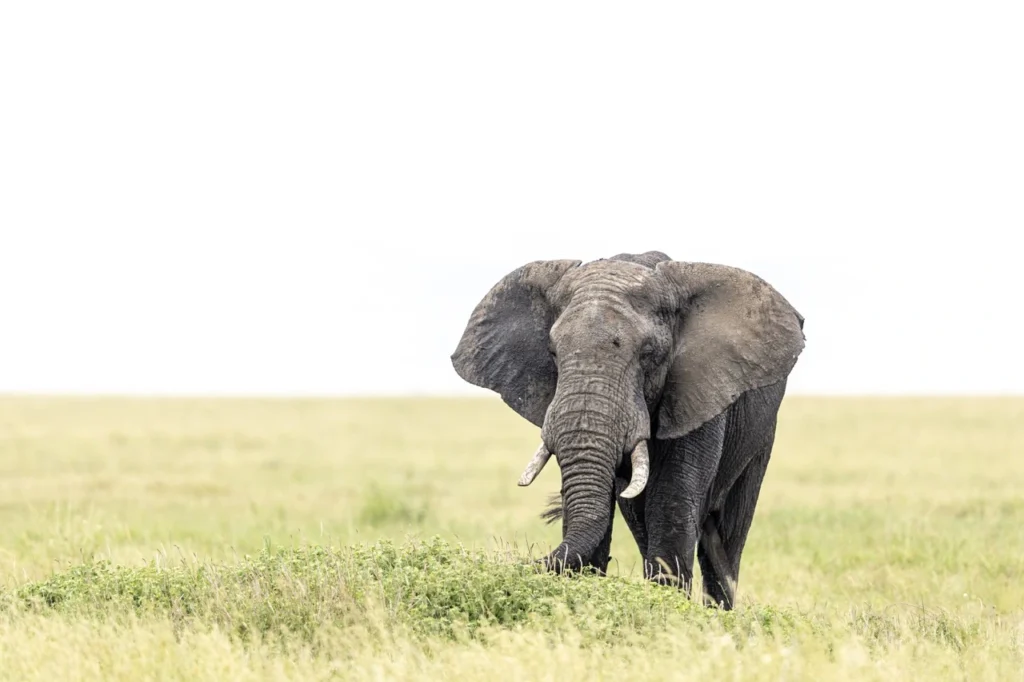
The Big Five are all present, with elephants, buffalo, and lions seen regularly, and leopards and rhinos appearing in specific sections of the ecosystem. Hyenas and wild dogs add further depth to the carnivore community. More than 500 avian species have been recorded, ranging from permanent and migratory species. The combination of large herbivores, predators, and diverse birdlife makes this world-class game reserve one of the best biodiversity strongholds in Africa.
Geography and Ecosystem
Seronera Valley
This part pf the park forms the central point of several river systems, and support predators and a huge number of grazing species year-round.
It is the core of Serengeti’s resident wildlife, with sightings possible throughout the year due to reliable resources.
Western Corridor
This region follows the route of the Grumeti River, whose permanent water streams attract migrating herds from May to July.
It features open plains with wooded zones, and river which becomes a focal point during the migration as the herds gather along its banks.
Northern Region
The northern part stretches toward the Kenyan border with rolling hills, rocky outcrops, and fewer vehicles than other parts of the park.
It hosts the later stages of the migration around July to September as herds move toward the Mara River. It also supports large numbers of elephants, giraffes, and resident predators throughout the year.
Park Attractions